
Everest Base Camp
Duration
14 Days
Max Altitude
2,800 meters
Difficulty
moderate
Group Size
12-18 People
Start/End
Kathmandu
Best Season
Spring and Autumn
About Everest Base Camp
Experience the Journey
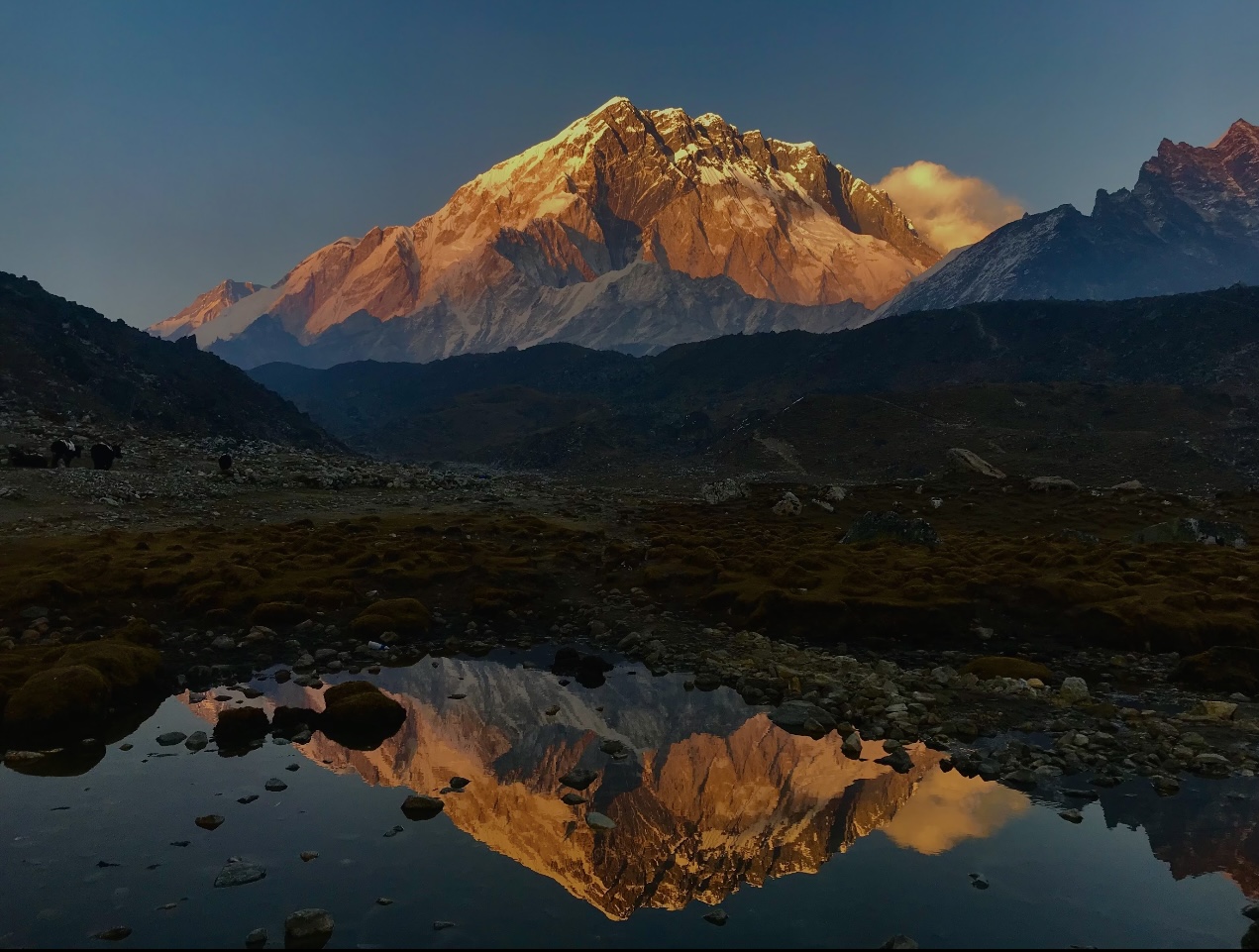
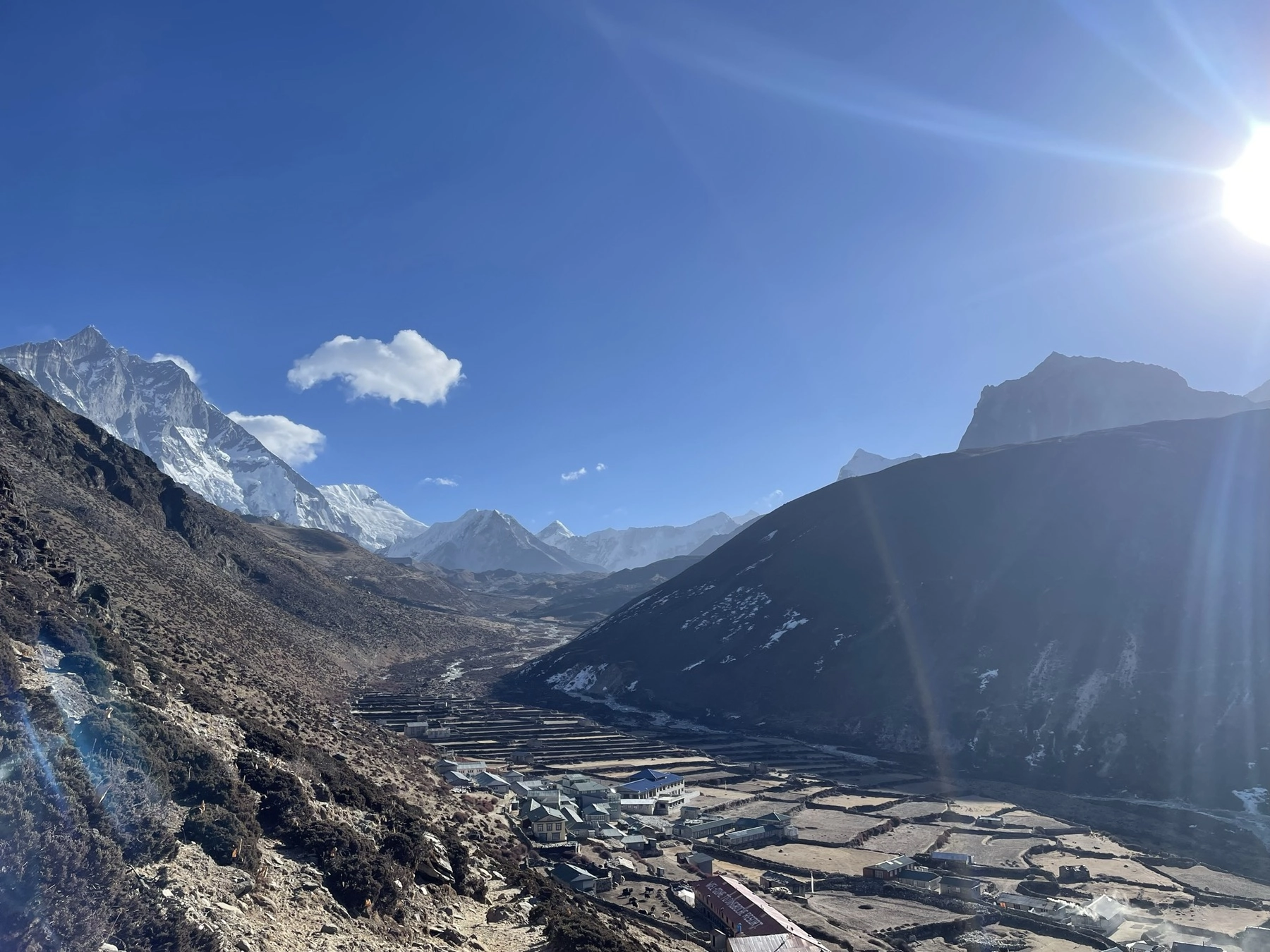
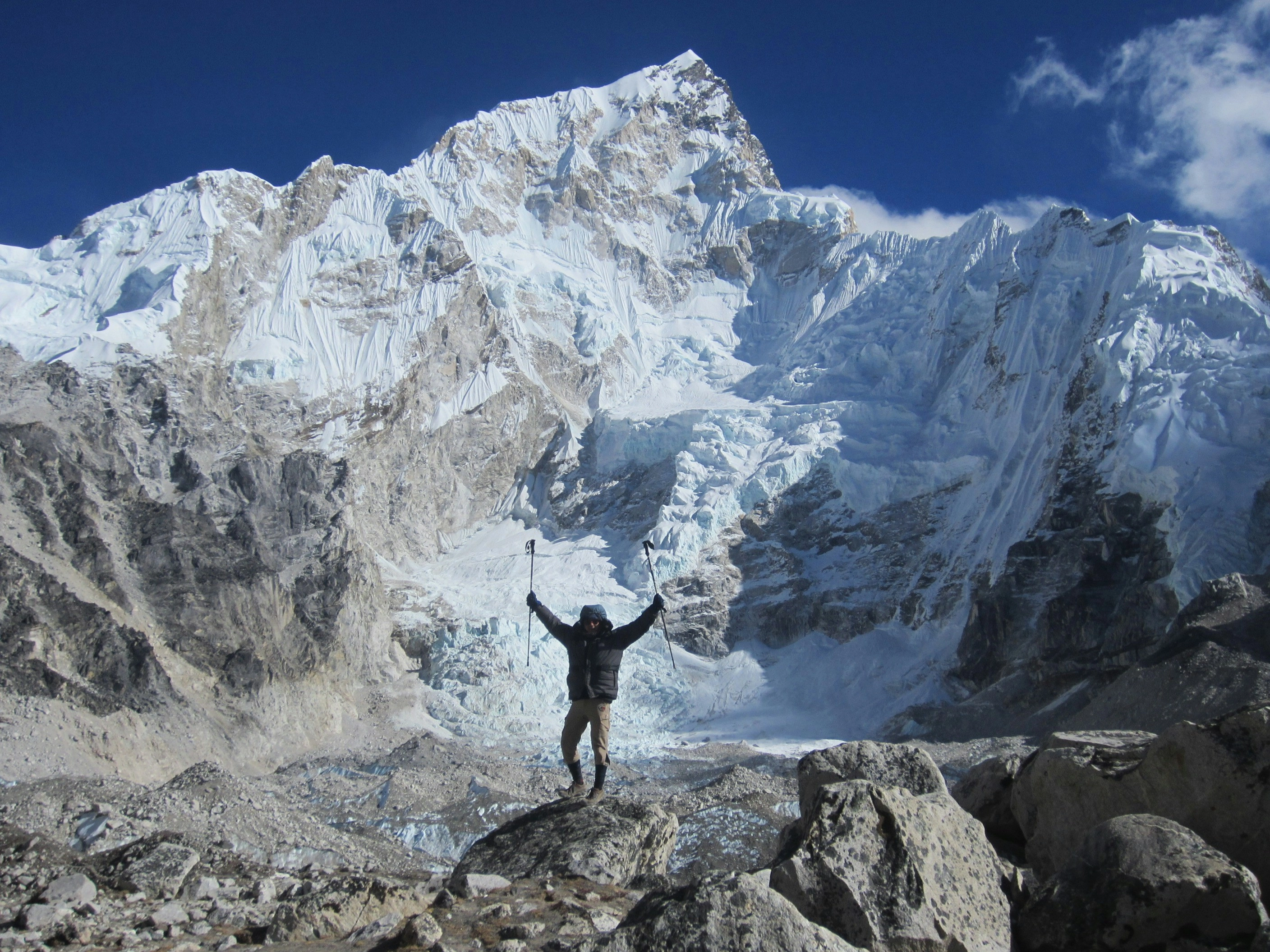
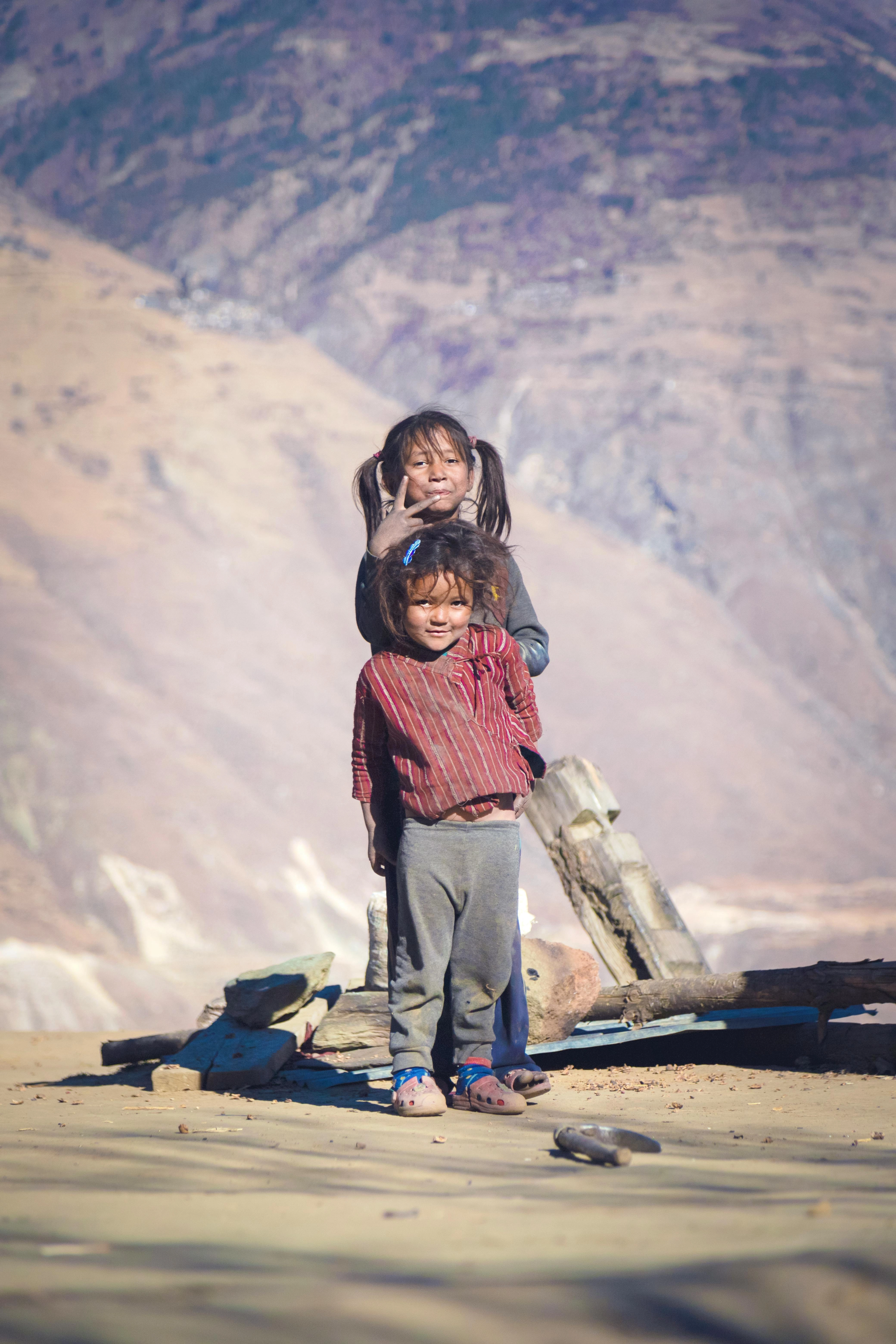
A visual journey through the Everest Base Camp trek showcasing the stunning landscapes and cultural highlights
Day-by-Day Itinerary
• Arrival at Tribhuvan International Airport, Kathmandu
• Immigration and customs clearance
• Meet and assist at the airport
• Transfer to hotel
• Hotel check-in and rest
• Preparation for next travel or trekking activities
Accommodation: Lodge
Starting the journey means beginning your trip from the planned location, usually after arrival and preparation. It includes meeting the guide or group, final briefings, and heading towards the first destination as per the itinerary.
Accommodation: lodge/Tea House
What's Included & Not Included
Included
- Trekking permits (Sagarmatha National Park entry and TIMS if required)
- Experienced guide and/or porter
- Accommodation during trek (tea houses/lodges)
- Meals during trek (breakfast, lunch, dinner)
- Ground transportation or domestic flight (as per itinerary)
Not Included
- International airfare
- Nepal visa fee
- Travel insurance (mandatory for high-altitude trekking)
- Personal expenses (drinks, snacks, hot showers, laundry, etc.)
- Tips for guide and porter
- Emergency rescue or evacuation costs
Ready to Start Your Adventure?
Let's discuss your goals and create a personalized itinerary
Ground Handling & Services
Complete logistics and support services for your Everest Base Camp trek. We handle all arrangements so you can focus on the journey.

Airport Service
- Airport Service provides reliable and comfortable transportation to and from the airport
- Offers pick-up and drop-off facilities for timely arrivals and departures
- Ensures a stress-free and smooth travel experience
- Professional drivers assist with luggage and passenger needs
- Uses clean and well-maintained vehicles for safety and comfort
- Ideal for tourists and business travelers seeking hassle-free transportation

Accomodation
- Accommodation during the trek is provided in comfortable teahouses and lodges
- Rooms are simple, clean, and usually on a twin-sharing basis
- Basic facilities are available along the trekking route
- In Kathmandu, accommodation is arranged in a well-maintained hotel
- Hotels offer modern amenities for comfort
- Lodges provide a warm and welcoming environment
- Trekkers can relax and enjoy local hospitality
- Opportunity to experience the culture of the Himalayan region

Meals & Supplies
- Meals are provided at local teahouses and lodges along the trekking route
- Offers a variety of nutritious, freshly prepared dishes
- Includes Nepali, Tibetan, and basic international meals
- Breakfast, lunch, and dinner are available daily
- Common food options include rice, noodles, soups, vegetables, eggs, and bread
- Basic trekking supplies are available at local village shops
- Availability of items may be limited in remote areas
- Recommended to carry personal snacks, energy bars, and essentials from Kathmandu before the trek

Permits and Documentation
- Trekkers must obtain the required trekking permits before entering the trekking region.
- A TIMS (Trekkers’ Information Management System) card is required for most trekking routes in Nepal.
- National park or conservation area permits are required depending on the trekking region, such as the permit for Sagarmatha National Park or Annapurna Conservation Area Project.
- Permits can be obtained from the Nepal Tourism Board office or through a registered trekking agency.
- Trekkers must carry their passport and passport-size photos for permit processing.
- All permits and identification documents should be carried during the trek, as they may be checked at entry points and checkpoints along the route.

Guide and Porter Service
- Professional and experienced trekking guides are available to assist and lead trekkers throughout the journey.
- Guides provide information about the trekking route, local culture, traditions, and safety during the trek.
- Porter services are available to carry trekking bags and heavy luggage, making the trek more comfortable for travelers.
- Each porter usually carries luggage for one or two trekkers depending on the weight.
- Guides and porters are familiar with the trekking routes and help ensure a safe and smooth trekking experience.
- Their service also helps trekkers focus on enjoying the natural beauty and cultural experience of the region.

Equipment and Safety
- Trekkers are advised to carry proper trekking equipment such as trekking boots, warm clothing, sleeping bags, and trekking poles.
- Basic safety equipment and a first aid kit are carried by the guide during the trek.
- Trekkers should bring personal items such as sunscreen, sunglasses, water bottles, and headlamps.
- Guides are trained to handle basic emergencies and provide assistance if needed.
- Weather conditions and altitude are carefully monitored to ensure the safety of trekkers.
- Trekkers are encouraged to follow safety guidelines and listen to the instructions of guides throughout the trek.
Route Map
All you need is the plan, the road map, and the courage to press on to your destination
Frequently Asked Questions
Reviews
The trek to Everest Base Camp in the Everest Region is one of the most iconic and rewarding trekking experiences in the world. The journey offers breathtaking views of the world’s highest peak, Mount Everest, along with stunning Himalayan landscapes, traditional Sherpa villages, and ancient monasteries. Trekkers pass through beautiful places like Namche Bazaar and Tengboche Monastery, making the trek culturally and spiritually enriching.
Lora
Solukhumbu ,Nepal
Everest Base Camp
The Everest Region is one of the most famous trekking destinations in Nepal, located in the northeastern part of the country within Sagarmatha National Park. This region is home to the world’s highest mountain, Mount Everest, and offers spectacular Himalayan landscapes, glaciers, and high mountain passes.
Nora
Solukhumbu, Nepal
Everest Region
Mount Everest is the highest mountain in the world, standing at an elevation of about 8,848.86 meters above sea level. It lies in the Himalayas on the border between Nepal and China (Tibet). In Nepal, the mountain is known as Sagarmatha, while in Tibet it is called Chomolungma.
sukhu maya
Solukhumbu, Nepal
Everest
Similar Trips
Stunning images from our treks and expeditions
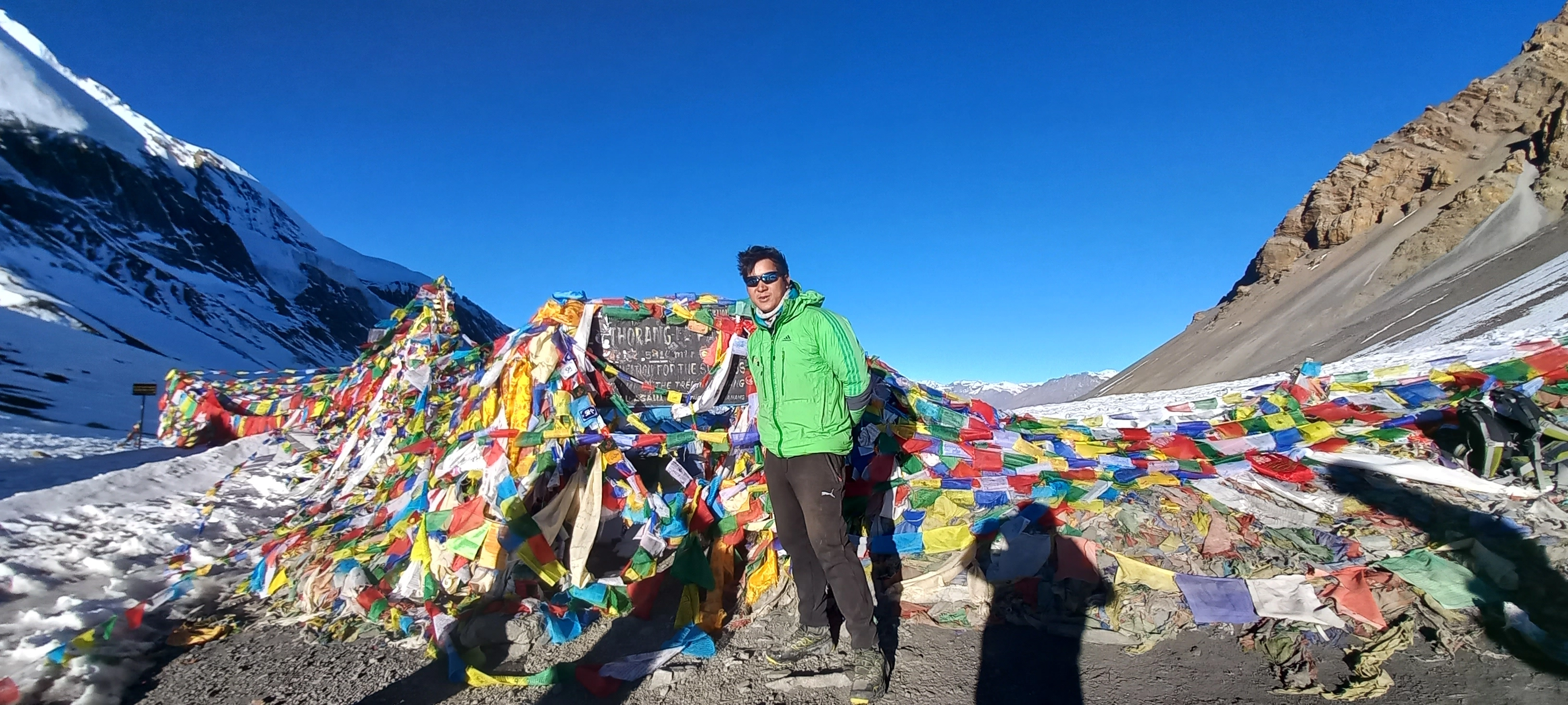
Ghorepani Poon Hill Trek
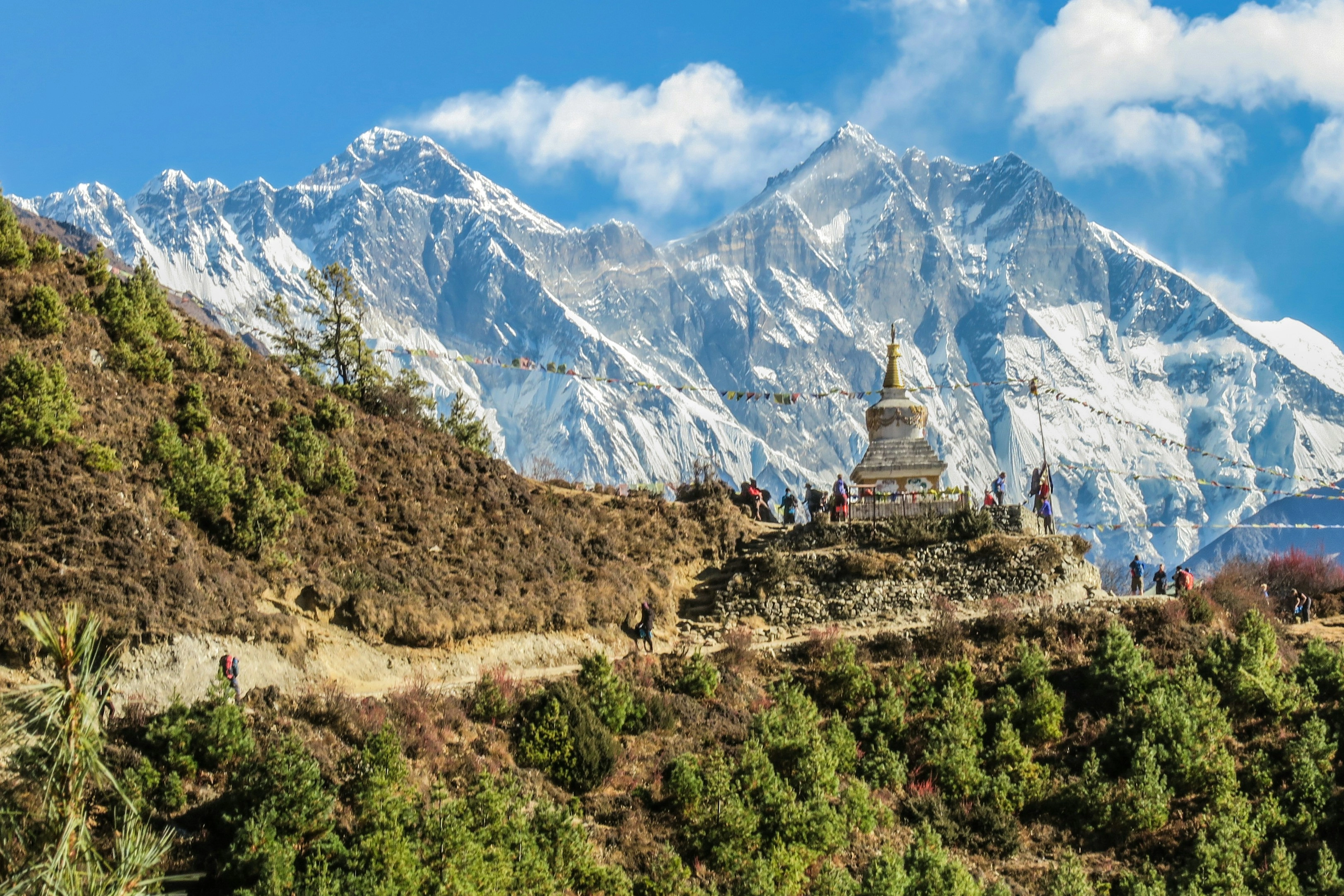
Gokyo Lakes Trek
Available Dates
June 04, 2026